All industrial cutting tools must deal with extremely challenging conditions. Their operation is subject to high pressure, impact, and friction. Forests, road milling, mining, and recycling services require cutting tools that are both strong and durable. Heat treatment is one of the most critical processes involved in tool performance. The tool’s usefulness may be short-lived if it is not heat-treated properly.
Why Heat Treatment Matters?
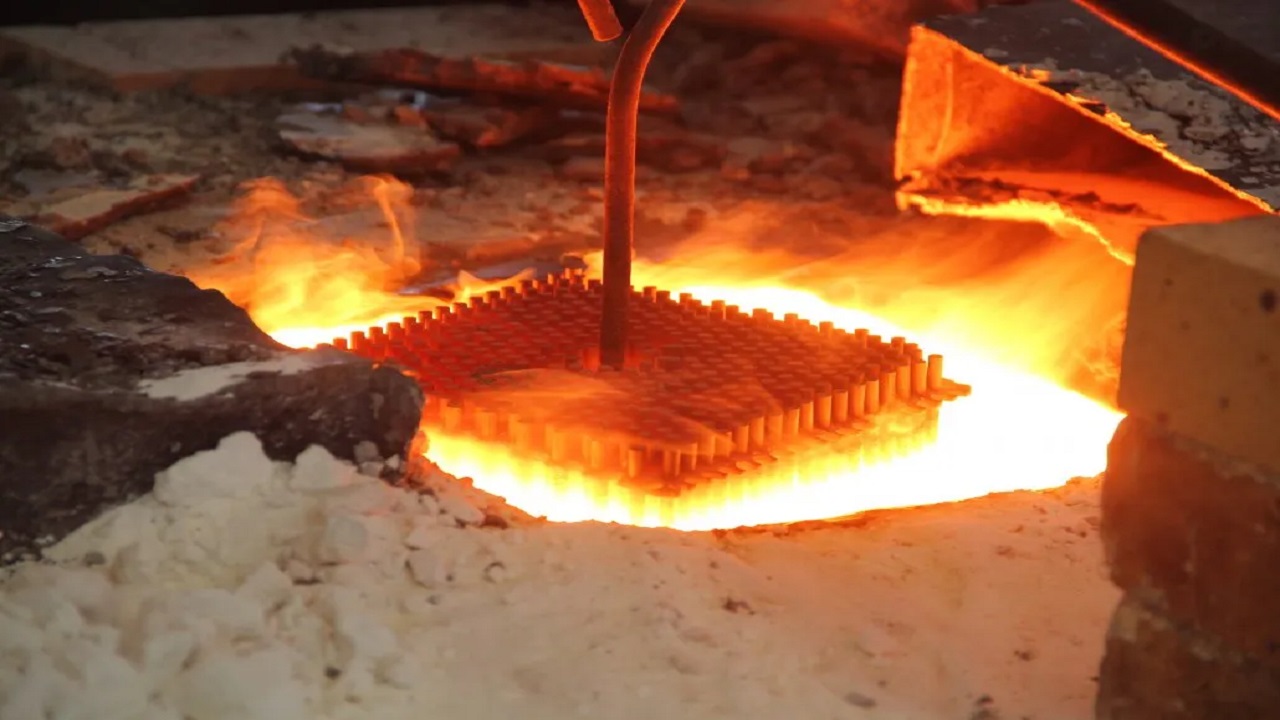
In heat treatment, the physical properties of the metal are changed. It contributes to increasing hardness, toughness, and wear resistance. A sharp and heat-treated tool will do a lot more and can be used in difficult working conditions. Even high-quality steel can be inferior or brittle if it is not heat-treated properly. This is why heat treatment is an important process for mulcher teeth, road milling bits, trencher teeth, and drilling tools.
Excessive Wear Problems
If the tool gets too soft following heat treatment, then it wears out very rapidly. The sharpness of the cutting edge reduces rapidly and will not operate effectively. This makes them more likely to need replacing and to require maintenance. In heavy-duty applications, too much wear diminishes the productivity of the machine.
Cracking and Breakage
The metal can also become too brittle if it is heat-treated incorrectly. Brittle tools are more prone to cracking or breaking when they come into contact with hard rocks and concrete. This is a frequent occurrence in mulching and foundation drilling tasks in the forestry industry. A damaged tool may also lead to damage of other parts of the machine nearby and to higher downtime.
Tool Deformation
If the heat treatment isn’t done properly, the cutting tool can bend or deform during the process. Tools that lose their shape lose cutting stability. This will decrease accuracy and cause additional machine stress. Drilling and trenching are particularly problematic areas with deformations.
Carbide Tip Failure
In many industrial cutting tools, tungsten carbide tips are used to increase the wear resistance. If the steel body is not adequately heat-treated, however, the carbide tip can loosen or break while it is operating. This means that the life of the tool will be shortened, and replacement expenses will be increased.
Impact on Machinery Efficiency
Cutting tools that are not properly heat-treated not only impact the quality of the tool but also the machine efficiency. Where there is excessive wear and tear or dulling of the tool, the machine ends up using more energy to complete the task. There is increased fuel usage and strain on the hydraulic system and machinery. In the long run, there will be increased operating costs and a need for constant maintenance of the machinery. Even a slight decrease in efficiency may cause huge losses, especially when used in major projects.
Proper Heating Techniques Ensured by Manufacturers
Reputable manufacturers rely on proper heating methods to achieve quality results and the durability of the products. Monitoring of temperature, heating duration, and cooling is very important to obtain the required degree of hardness and durability. After undergoing heat treatment, the tools are examined to see whether they have achieved the required qualities. Modern manufacturing plants use automation to eliminate human error from the process.
Advantages of Correct Heat Treatment
Correctly heat-treated cutting tools offer the right combination of hardness and toughness.
Among other benefits, one may mention:
- Increased operational life
- Enhanced wear resistance
- Improved impact strength
- Decreased downtimes
- Minimized maintenance costs
All of these will provide significant benefits to equipment operators who wish to operate more effectively while reducing operating costs. Properly heat-treated machinery will ensure effectiveness and efficiency while also minimizing cost. Good heat treatment of tools and equipment is particularly vital in heavy-duty industries.
Poor Heat Treatment Indicators
Common indicators that show poor heat treatment are:
- Excessive wear
- Appearance of cracks on surfaces
- Tool body deformation
- Chipped carbide tips
- Wear inconsistency
If such problems arise too frequently, it indicates a poor manufacturing process.
Conclusion
Ineffective heat treatment may negatively affect cutting tools’ performance in the industrial setting. These issues arise due to faulty production methods. Weak instruments cannot withstand impact. They are prone to breaking apart upon hitting surfaces such as rock formations. This issue occurs in forestry and mining activities due to the tremendous amount of impact involved. Heat treatment will increase longevity and reduce downtime. It is crucial in high-end industries.